



Influencer marketing has been a staple of the digital landscape for years, and its explosive growth isn't slowing down anytime soon. Yes, approaches and trends evolve quickly, but it's more important than ever to make influencer marketing a core part of your digital strategy.
This type of marketing offers numerous benefits: increasing brand awareness, boosting credibility and brand image, reaching your target audience, and driving purchases for a strong return on investment.
Choosing the Right Influencers
Selecting the right influencers (or content creators) is the single most important step in running a successful campaign. The creators you choose must not only represent your brand as ambassadors, but their audience must also align with the target demographic you want to reach.
Say you run a company selling skincare products for conditions like acne and rosacea. It would make perfect sense to partner with an influencer who openly discusses their skin struggles and shares tips with their community.
Contrary to popular belief, influencer marketing isn't as simple as finding twenty people with thousands of followers and paying them to talk about your product. That approach is a fast track to blowing your marketing budget without ever tapping into the real value of influencer marketing.
A content creator might drive incredible engagement for a brand that genuinely excites their audience, yet see zero traction for another brand that doesn't resonate at all. You also need to watch out for influencers who accept any deal for the money, regardless of whether they actually align with your company's values.
A local, eco-conscious brand shouldn't team up with an influencer who regularly tags fast fashion companies like Zara and Shein. That's not a great look for credibility. It's essential to regularly evaluate which creators will have the most impact and best represent your brand.
Influencer Categories by Follower Count
Nano-Influencers
Nano-influencers, individuals with as few as 1,000 but no more than 5,000 followers, gained massive popularity during the pandemic. These are "everyday" people with impressive social media and content creation skills. Nano-influencers typically hold a day job and use social media on the side to share their opinions on products they love. Because they don't make a living from content creation, their voice comes across as more authentic and persuasive to their followers.
Even with a small community, nano-influencers have the highest engagement rate of any tier, often reaching between 10% and 20%. The pattern is clear: the more followers, the lower the engagement. All of this makes nano-influencers an ideal choice for brands looking to target a hyper-niche audience on a minimal budget.
Micro-Influencers
Micro-influencers have between 5,000 and 50,000 followers. Similar to nano-influencers, their audience is still quite targeted, just a bit broader. They tend to have more experience with brand collaborations and are focused on growing their community, so they invest a lot of time and effort into producing quality content to build out their portfolio and media kit.
Micro-influencers are a great fit for brands that want to repurpose creator content on their own social channels. With consistently high engagement and a larger reach than nano-influencers, leveraging their influence for conversions is a smart move.
Personalized promo codes are an excellent way to drive sales and help you identify your top-performing creators. On top of having more accessible rates than macro-influencers, micro-influencers also tend to deliver a higher return on investment.
Macro-Influencers
On the other hand, macro-influencers command a large following of between 50,000 and 1,000,000 followers. With such a broad audience, it's natural for their engagement rate to drop to around 3 to 4%. These influencers are very busy and find it harder to build genuine connections with so many people. Their audience also includes more inactive followers and, in some cases, purchased ones.
While fake influencers exist across all tiers, they're most prevalent among macro-influencers. Brands that don't know how to tell the real from the fake often get burned, especially when they prioritize quantity over quality. Genuine macro-influencers are hard to come by in Quebec, let alone in Canada as a whole.
Macro-influencer campaigns also require more management and resources. Managing a campaign with five macro-influencers takes roughly the same time as running one with twenty micro-influencers. You often need to go through an agency, negotiate rates, and work through more complex contract terms. You also need to plan well in advance, as these creators juggle many other commitments. A substantial budget is required given their high fees. All that said, macro-influencers are essential for awareness campaigns where the goal is to reach a large audience and build brand credibility at scale.
Mega-Influencers
Finally, mega-influencers and celebrities are those with over one million followers. Most of the time, their accounts display a verification badge next to their username. They're typically known for something beyond their social media presence. These influencers are reserved for brands with a significant budget and for mass campaigns, for example, reaching a broad audience with diverse interests to promote a mainstream product.
You can experiment with one or several of these influencer tiers, each with its own set of advantages. Regardless of which type best fits your strategy, the key is to invest in long-term relationships rather than one-off transactional deals. When you build lasting partnerships with influencers who genuinely believe in your brand, you grow together, and their mentions of your brand will naturally feel more authentic.
How to Spot Fake Influencers
With the rise of influencer marketing, it's understandable that many people find the lifestyle appealing: free products and travel, fame, being your own boss, and much more. But becoming an influencer doesn't happen overnight, unless you happen to appear on a reality show like Occupation Double (a popular Quebec reality TV show)!
Building an audience and brand relationships takes a lot of effort and time, especially in the early days. So some people decide it's easier to skip a few steps by buying followers or engagement through a third party. Others work hard to grow their community, hit a plateau, and feel the urge to cheat a little.
There's no shortage of websites selling followers, and like anything, quality varies. Cheaper sites sell low-quality followers: bots or inactive accounts. A low engagement rate is usually the first giveaway that someone has bought followers. The savvier ones know this, so they'll also buy engagement to complement their inflated follower count, or spend more on higher-quality followers.
You can also examine the quality of comments: are they always short and generic, or are they more detailed and specific to the post? Another way to detect purchased followers is to look for unrealistic, irregular follower spikes. Organic growth is gradual and doesn't jump from 4,543 to 54,543 overnight. Fortunately, Instagram's algorithm is updated regularly to weed out fake interactions and low-quality accounts.
To identify imposters, it's also a good idea to analyze follower demographics. Geographic distribution is one of the most revealing data points. If a Quebec-based influencer's followers come mostly from foreign countries and only 10% are from Canada, that's a strong sign they've likely purchased fake followers. Fake accounts are primarily concentrated in countries like Brazil, Russia, and India. It's normal for macro-influencers and celebrities to have a more global audience, but followers from their home country should still make up the majority.
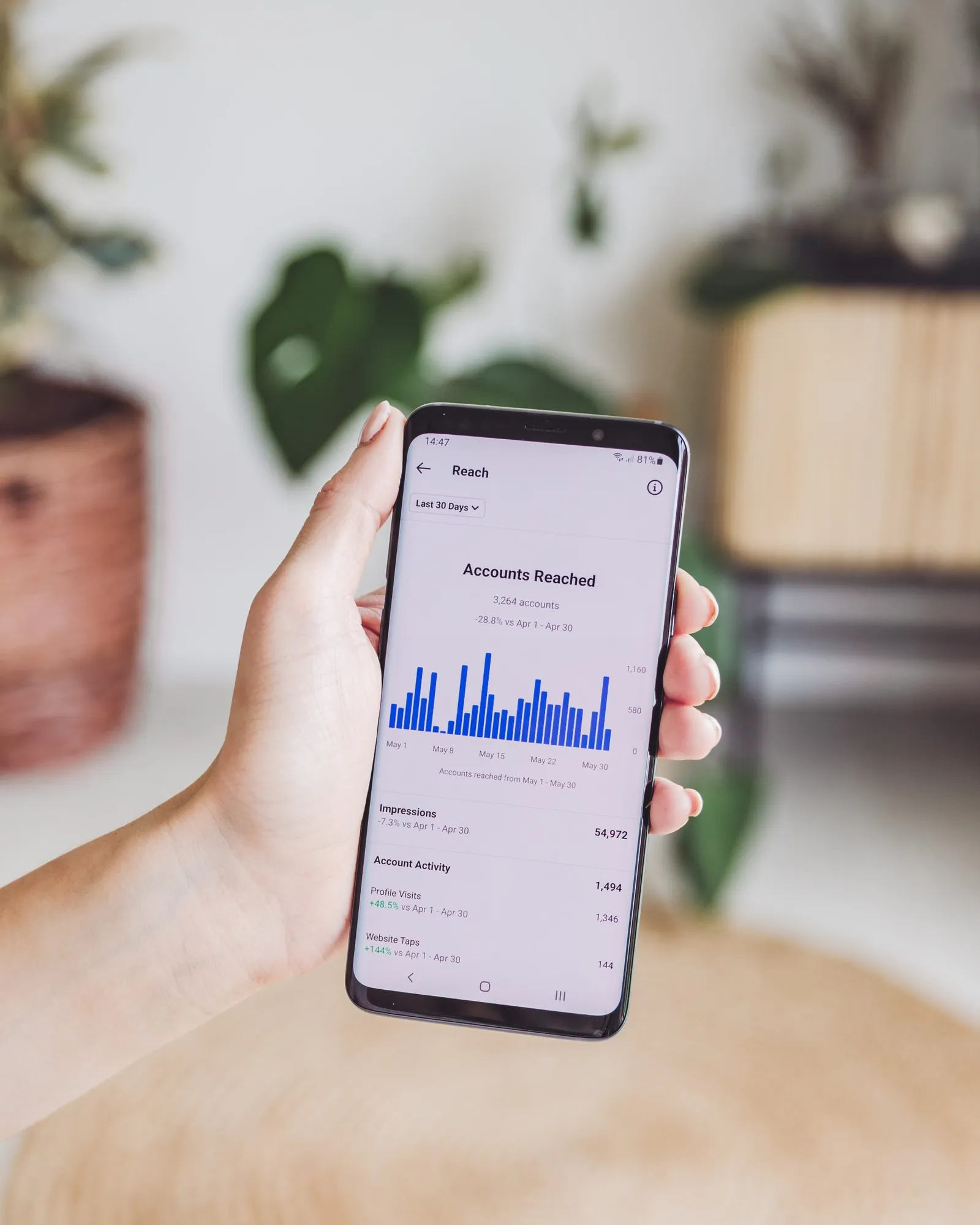
There are also paid tools available to measure follower "quality," meaning the percentage of active followers. A rate of 80% would be considered good, indicating that 80% of an influencer's audience is genuinely active on their account. A rate below 70% is a red flag that a portion of their followers may have been purchased.
Selection: The Step That Makes or Breaks a Campaign
Ultimately, analyzing influencer quality is a fundamental part of the selection process. It's what saves you from spending money on creators who won't deliver the return on investment you're counting on. With time and experience, you'll get better at identifying which influencers are authentic and will genuinely add value to your brand. Consider building a blacklist of fake influencers to reference on future campaigns, saving yourself time and protecting your budget.