LinkedIn Partners with Amazon Ads
LinkedIn is expanding its advertising capabilities by integrating programmatic CTV ad buying through Amazon Ads, enabling B2B advertisers to connect with their audiences on premium streaming platforms. The goal is to combine LinkedIn’s precise targeting (job title, industry, job level) with Amazon DSP’s video reach to engage the right decision-makers.
What this means for advertisers:
- Ability to buy B2B CTV campaigns via Amazon Ads while using LinkedIn’s professional targeting
- Access to more precise targeting based on users’ job title, industry, and seniority level
- Ads served on premium streaming platforms rather than solely within the LinkedIn ecosystem
- More centralized management of video campaigns for teams already using Amazon DSP
- Better alignment between brand awareness video campaigns and B2B performance goals
- Opportunity to reach decision-makers in more engaging content consumption environments
More broadly, this trend confirms that connected TV is gradually becoming a genuine driver of performance in the B2B sector, rather than merely a tool for brand awareness. For agencies and advertisers, this paves the way for more comprehensive video strategies that are better aligned with conversion goals and business results.
Why Data from Google Ads, GA4, and Your CRM Never Match?
Data discrepancies between Google Ads, GA4, and CRMs are bound to happen, as each tool uses a different approach to measure the customer journey. They don’t track the same touchpoints, don’t use the same tracking rules, and don’t account for the same technical limitations, which naturally leads to discrepancies in the results.
At the heart of the problem lies the concept of attribution. Each platform attempts to determine which touchpoint deserves “credit” for conversion, but none has a complete view of the user journey. Depending on the model used (first-click, last-click, etc.), results can vary significantly and provide only a partial view of actual performance.
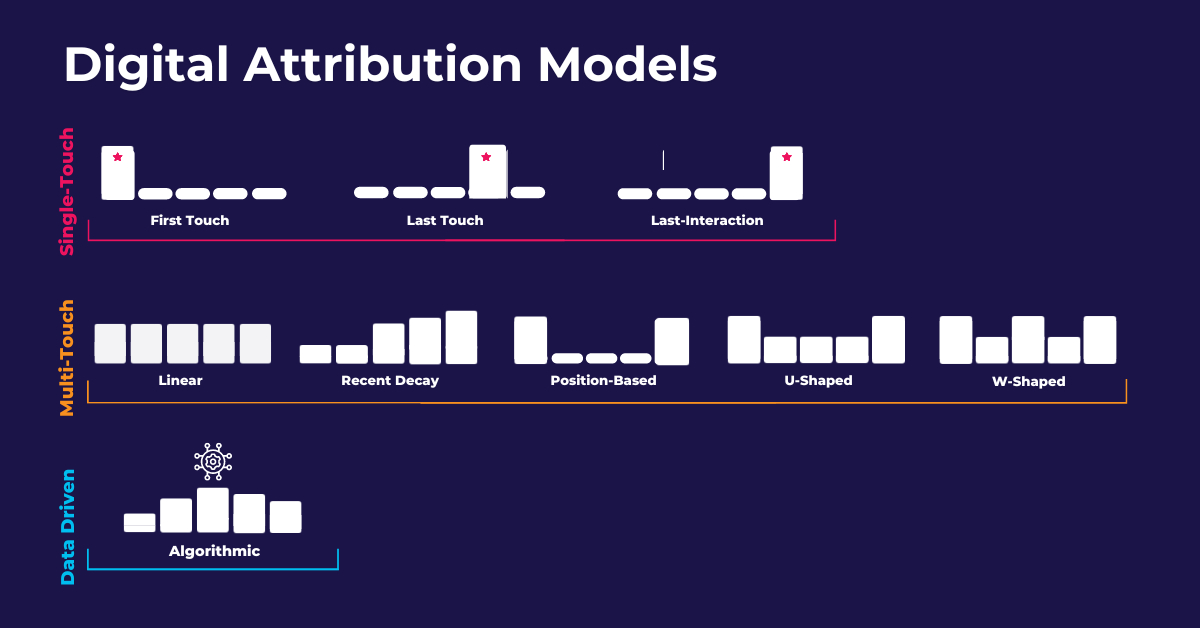
Another important factor is the complexity of customer journeys. A person may interact with multiple ads, devices, and channels before converting. Each tool captures only a portion of that journey, which explains why the numbers never perfectly align.
Key takeaways:
- Data discrepancies are normal and do not indicate a major technical issue
- Each tool provides only a partial view of the customer journey
- Data should not be analyzed in isolation when making budget decisions
- Value lies in the big picture, rather than perfect data reconciliation
- The right approach is to combine sources and focus on the overall contribution, rather than single-source attribution
The goal is therefore not to obtain identical figures across platforms, but to better understand actual performance by cross-referencing data and, when possible, validating results through impact tests.
Google Tag Manager containers will become Google Tags
The Google Tag Manager update scheduled for May 2026 will mark a significant change in tag management. GTM containers will transition to a unified model called “Google Tag”, with the introduction of “destinations” and a more centralized configuration of tracking settings.
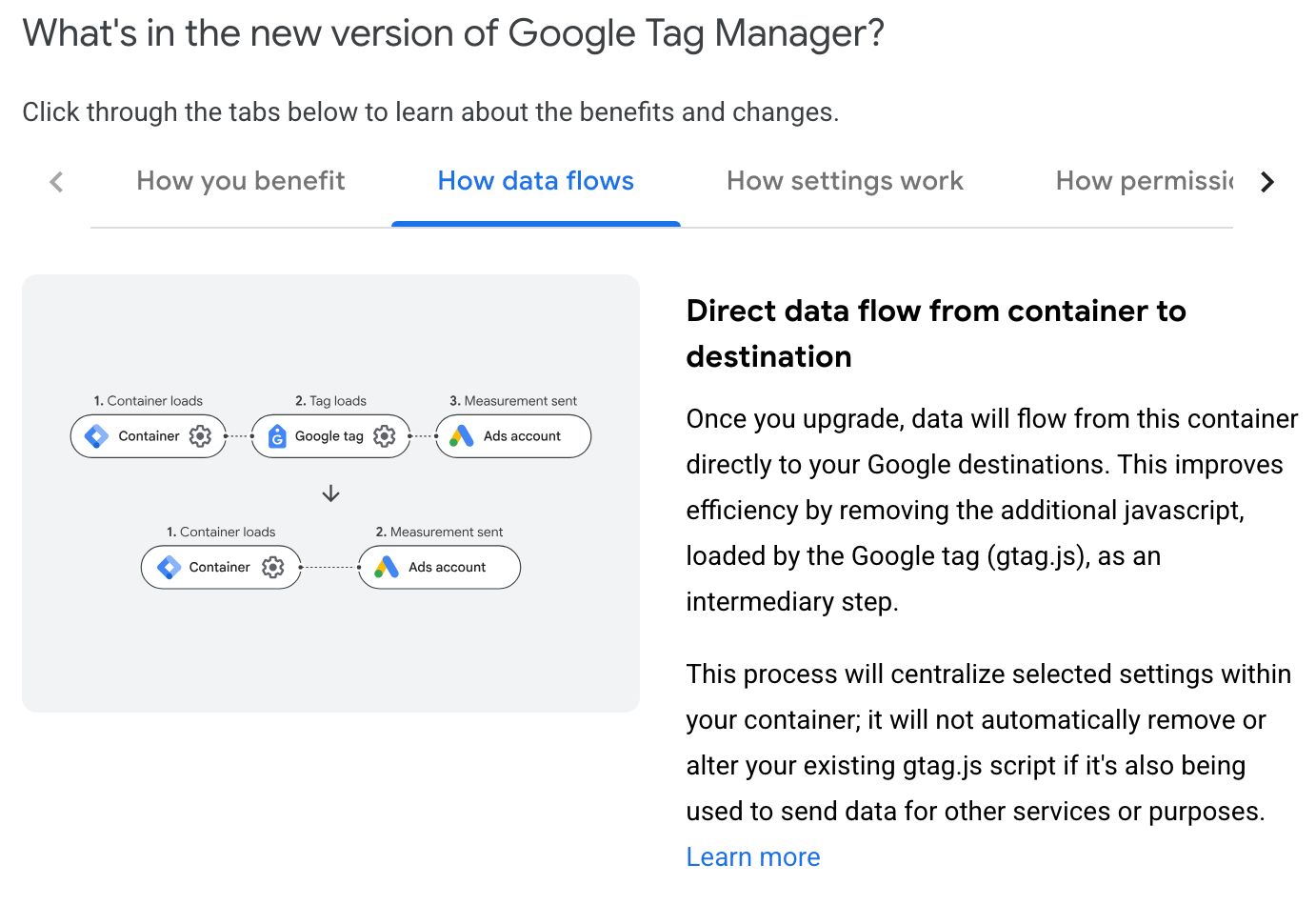
What this means in practice:
- Fewer Google tracking scripts loaded separately on websites, which could improve performance and page load speed
- More centralized management of tracking settings, consent, and Google Ads/GA4 configurations
- Potentially simplified tracking setup thanks to the new event generator
- Greater flexibility in tag governance based on the level of control desired by organizations
- Gradual transition: current GTM containers will continue to function normally until migration is enabled
A new interface and more visual tools will also make GTM more accessible, even for less technical teams. Although the update remains optional in the short term, it clearly confirms Google’s commitment to building a more unified, fast, and integrated ecosystem.
In practice, marketing teams will be able to adopt this new model gradually, with no immediate rush since current containers will continue to function normally.
Pinterest Updates Ad Relevance
Pinterest continues to invest in improving ad relevance through a new recommendation model based on real-time context and user behaviour. By combining historical data with the immediate browsing context, the platform aims to deliver ads that are more relevant and better aligned with users’ actual intent.
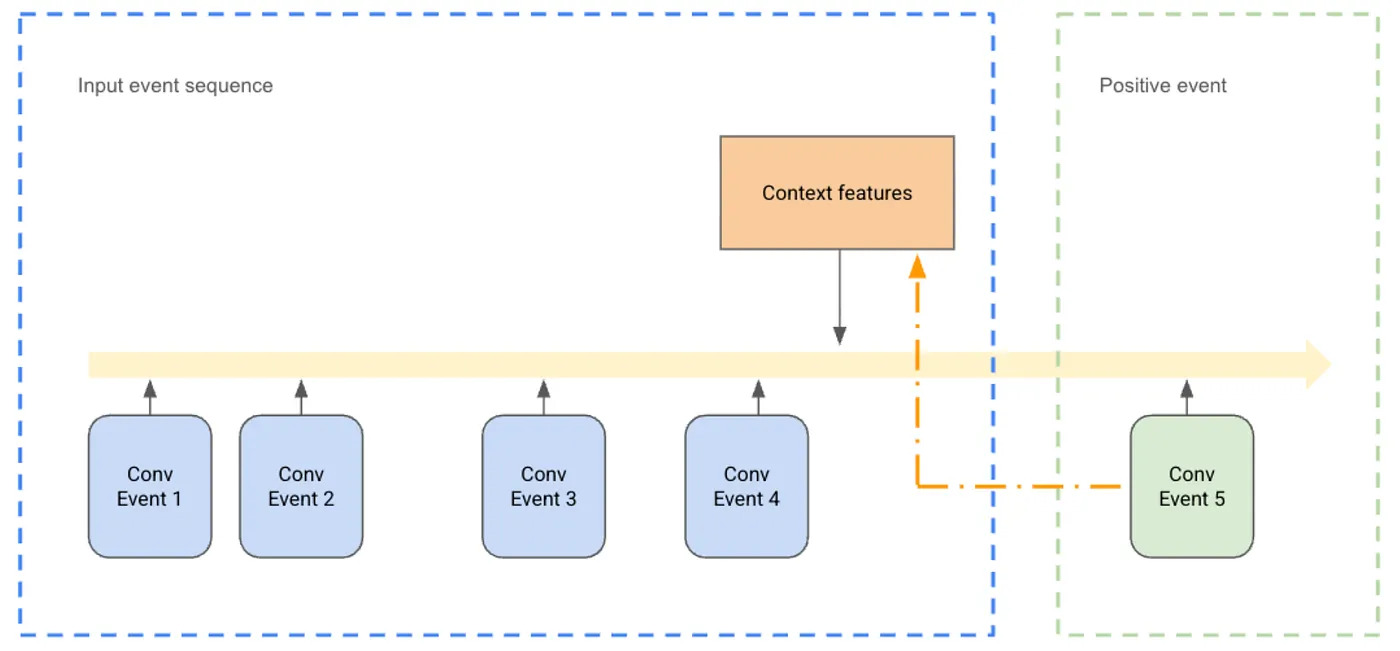
According to the results presented, Pinterest reports that this approach has significantly improved the relevance of the ads displayed, the model’s ability to select the right ads, and overall ROAS. Pinterest specifically notes a measurable increase in performance across its key markets.
This development confirms a trend already well established in the industry: advertising platforms are increasingly relying on AI models capable of interpreting context in real time, rather than simply analyzing static audiences. For advertisers, this could translate into more relevant campaigns and better alignment between user intent and ad creative.
That said, the results presented come from internal platform tests and may vary depending on the industry, creative assets, or the quality of available data. One thing remains clear: ad automation continues to advance, making strategy, data signals, and creative quality even more important than before.
In summary
These developments confirm a trend in digital marketing: platforms are converging, but data remains fragmented. From LinkedIn’s integration with Amazon Ads to the evolution of measurement tools like Google Ads, GA4, and Google Tag Manager, and the improved relevance on Pinterest, the common goal is to enhance performance and deepen our understanding of the user journey.
For advertisers, the challenge is therefore not to obtain perfectly aligned data, but to better interpret it collectively in order to make more accurate and effective decisions.