



5 Keys to Succeeding at SEO on Google in 2025
Organic search (SEO) remains one of the most powerful levers for driving qualified, sustainable traffic. In 2025, Google's algorithm puts user experience, artificial intelligence, and content relevance front and center. To meet today's standards and stay ahead of what's coming, here are the five essential keys you should be implementing right now.
The 30-second takeaway
- Solid technical SEO: speed, mobile-first, security
- Premium content: E-E-A-T, search intent, structure
- Voice and AI search optimization: FAQs, natural language
- Quality link-building strategy: contextual links, partnerships
- Structured data enabled: schema.org for rich results
1. Master Technical Optimization: The Non-Negotiable Foundation
1.1 Core Web Vitals and Performance
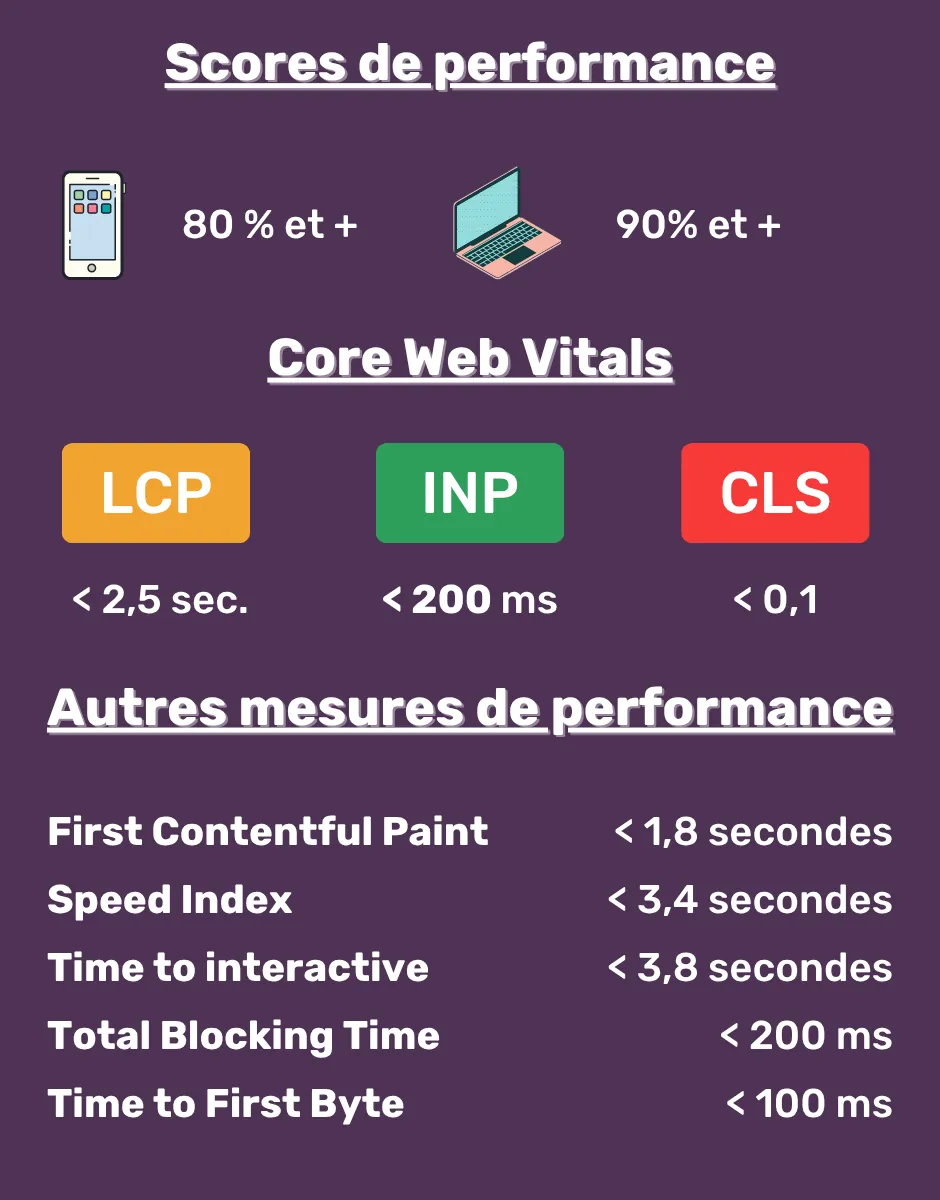
Google demands fast, stable sites:
- Largest Contentful Paint (LCP) < 2.5 s
- Interaction to Next Paint (INP) < 200 ms
- Cumulative Layout Shift (CLS) < 0.1
1.2 Mobile-First Indexing
Most pages are crawled in mobile version first. Your design must be responsive, with optimized images and lean CSS.
1.3 Security and Accessibility
HTTPS is required, ideally with HSTS. Accessibility (alt text, keyboard navigation, color contrast) is now recognized as both a UX and SEO signal.
2. Create Superior-Quality Content: Expertise in Service of the User
2.1 Strengthened E-E-A-T
- Experience: practical examples, testimonials
- Expertise: articles authored by recognized specialists
- Authoritativeness: backlinks from authoritative reference sites
- Trustworthiness: transparency, regular updates
2.2 Matching Search Intent
- Informational: detailed guides and tutorials
- Transactional: product pages and comparison content
- Navigational: contact pages, site maps
- Local: hours, address, geo-tagged reviews
2.3 Optimal Structure
- H1 to H2 to H3 hierarchy
- Bullet points
- Comparison tables
- Captioned visuals to improve readability and AI extraction.
3. Optimize for Voice Search and Artificial Intelligence
3.1 Voice Search: Long-Tail Keywords and Questions
Conversational queries should guide your keyword strategy. Create FAQ sections with questions as H3 headings and concise answers.
3.2 AI Overviews and Rich Passages
Google generates excerpts based on short, well-structured paragraphs. Make sure your content directly answers the questions being asked.
3.3 Content Tailored for Voice Assistants
Google Assistant, Siri, and Alexa favor clear snippets. Write definitions and FAQs to increase your chances of being cited.
4. Build Your Authority with a Smart Link Strategy
4.1 Quality Over Quantity
Target contextual links within top-ranking articles in your industry. One link inside well-positioned content is worth more than ten directory listings.
4.2 Progressive Authority
Start with local or industry collaborations before targeting major media outlets. Vary your anchor text naturally.
4.3 Link-Bait Content
Original case studies, industry surveys, and unique infographics: these are formats that naturally attract shares and backlinks.
5. Leverage Structured Data and Schema Markup
5.1 Why Schema Is Critical
JSON-LD tags help Google understand your content and generate rich results (rich snippets). They are also used for voice recognition and by AI systems to better understand and surface content. Critically important for GEO.
5.2 Main Schema Types
- Article
- FAQ
- HowTo
- Product
- LocalBusiness
5.3 Tools and Best Practices
Validate your tags with Google Rich Results Test. Use schema generators and automate via your CMS or plugins.
Succeeding at SEO in 2025 requires a balance between technical solidity, high-value content, and adapting to the new ways people search (voice, AI). By applying these five keys: technical optimization, expert content, voice search, quality link-building, and structured data, you will secure lasting, high-performing visibility.
Want to go further? Book a strategy call with Ursa Marketing to supercharge your results without wasting your budget.
Contact our team for a tailored consultation.
FAQ
How do I measure the effectiveness of my SEO optimizations?
Track organic traffic, average keyword position, click-through rate (CTR), and SEO conversion rate via Google Analytics and Search Console.
What tools should I use to track Core Web Vitals?
Google PageSpeed Insights, the Web Vitals Chrome Extension, and performance reports in Google Search Console.
How do I effectively build FAQs for voice search?
Gather common questions from Google Search Console (Queries), niche forums, and keyword suggestion tools, then write concise answers of 40 to 60 words.
How often should I run a full SEO audit?
Recommendation: every 6 months for a technical audit, and monthly for tracking key performance indicators.
Reference Sources
https://developers.google.com/search/docs/essentials/core-web-vitals
https://developers.google.com/search/docs/appearance/structured-data/intro-structured-data
https://www.searchenginejournal.com/seo-guide/
https://moz.com/learn/seo/what-is-seo
https://backlinko.com/google-ranking-factors